
 3 years ago
1
3 years ago
1
ARTICLE AD BOX
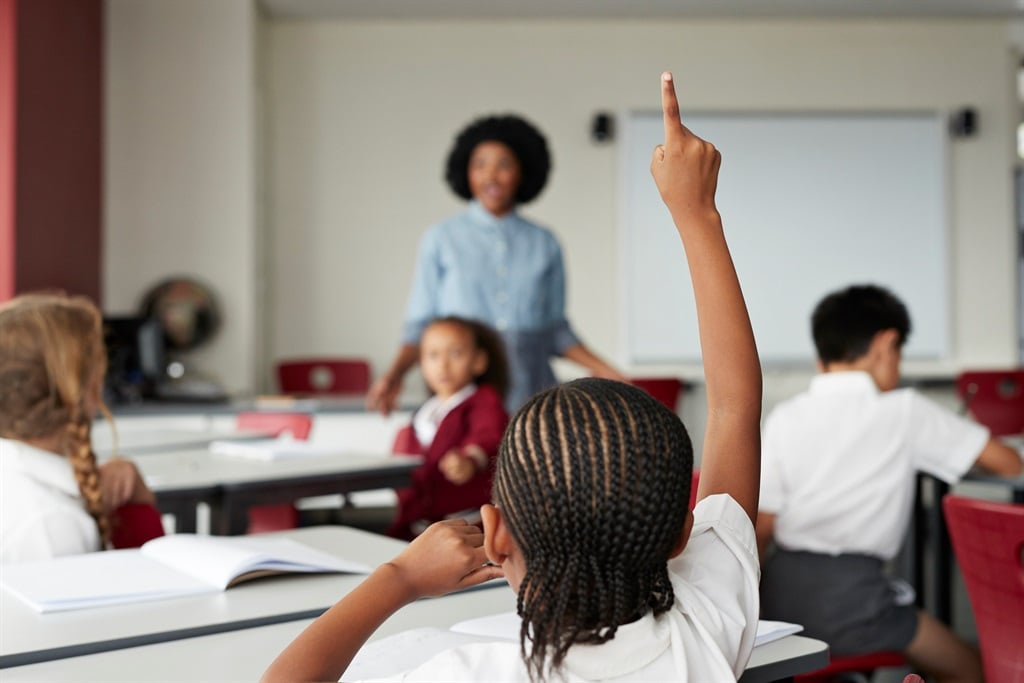
Only 19% of South Africa's Grade 4 pupils can read for meaning, according to a recent survey.
- Basic Education Minister Angie Motshekga says local primary schools neglected reading comprehension.
- Motshekga says the country lacked concrete evidence regarding the most effective interventions.
- The Covid-19 pandemic also added to the challenges faced by the South African education system.
The fragile state of the country's foundation phase of the education system was exacerbated by the impact of the Covid-19 pandemic, said Basic Education Minister Angie Motshekga on Tuesday.
Motshekga was speaking at the 2021 Progress in International Reading Literacy Study (PIRLS) results announcement in Pretoria.
The latest PIRLS survey found that only 19% of South Africa's Grade 4 pupils can read for meaning.
This is a decline from the 2016 study, which found that 22% of Grade 4 pupils could read for meaning.
The survey seeks to determine, among other things, whether children can locate and retrieve explicitly stated information in simple and easy text. The latest findings mean eight out of 10 South African pupils can't perform this task.
The minister said the 2021 PIRLS assessment included over 400 000 children across 57 countries.
READ | International study reveals 8 out of 10 Grade 4 pupils in South Africa can't read for meaning
Motshekga said while the matric pass rate and other indicators show improvements in both primary and secondary school education, the government needed to "focus more on the early years of schooling to address the building of adequate reading comprehension skills".
"Our education system is fragile in this regard, as learners have not yet benefitted from the many years of schooling, and this fragility has been exacerbated by the global interruption caused by the Covid-19 pandemic."
She said many primary schools neglect reading for comprehension and to make sense of written words, with reading instruction focusing on oral performance.
"This approach hinders learners' ability to answer passages in assessments like PIRLS. While pronunciation, accuracy and fluency are important, they hold no value without comprehension," Mothekga said.
She said the South African education system was faced with significant historical challenges, such as poverty, inequality and inadequate infrastructure, even before the onset of Covid-19
Motshekga said:
The response of South Africa’s education system to the Covid-19 pandemic was complex and challenging. It is important to note that the timing of the PIRLS assessment in late 2021, after almost two years of disruption and before the return to regular school schedules, presented significant challenges.
She added the World Bank had argued that a profound pre-Covid learning crisis already existed, with learning poverty estimated at 57% in low and middle-income countries in 2019.
"Post-Covid, this figure surged to as high as 70% in low and middle-income counties and even higher at 86% for Sub-Saharan Africa.
"While previous PIRLS studies highlighted our reading challenges, we lack concrete evidence regarding the most effective interventions," she said.
She said the department had gained valuable insights through rigorous evaluations conducted across the provinces.
Motshekga said the findings of the report would be presented alongside PIRLS results to analyse reading literacy in the country comprehensively. She said SA's participation in the 2021 Progress in International Reading Literacy Study (PIRLS) in Grades 4 and 6 would provide valuable insights into the country's reading literacy landscape.





 English (US)