
 3 years ago
1
3 years ago
1
ARTICLE AD BOX
The death of a second official at the University of Fort Hare over the weekend has raised concerns about what exactly is happening at our universities, writes Selby Makgotho.
Are private and stakeholder interests a source of conflict that contributes to the escalation of corruption and turning universities into crime scenes? This question lingers as daily reports emerge of universities becoming crime scenes, with the escalation of reported corruption incidents.
The news of the death of a second official at the University of Fort Hare over the weekend has raised concerns about what exactly is happening at our universities. Universities, by their nature, are academic institutions which should produce graduates and quality research outputs into topical issues in society. However, the opposite is taking place.
READ | Bernadette Johnson: Our universities are caught in the snare of a leadership crisis
In his book on the study of dysfunctional universities in the country, Professor Jonathan Jansen identifies some of the problems plaguing universities, including chronic managerial incapacity and deficient governance structures, as the main contributing source of conflicts and the resultant corruption. The situation is worsening and, if left unattended, will lead to the total undermining of the academic activities.
Worst yet to come
Private interests held by external stakeholders cannot be ruled out as tensions continue to mount. Large-scale and long-term contracts, tenders, (stakeholder) conflicts, allegations of buying of university degrees by elite groups, unwarranted and competing interests in academic leadership positions, business syndicates with vested interests in university operations, as well as a lack of properly functioning governance structures are some of the reasons corruption is becoming a thorny issue.
Unless governance and oversight activities improve in our tertiary institutions, the worst is yet to happen.
For its part, the Department of Higher Education concedes there is wide-scale corruption at our universities. This prompted Minister Blade Nzimande to commission an investigation into corruption at tertiary institutions. The report is expected to be submitted to Nzimande by the end of July.
Developments at Fort Hare appear to be a drop in the ocean and have caught the public's attention because they are happening in public. It is widely expected that Nzimande's appointed investigation team will expand its probe further to other universities and make appropriate recommendations in a concerted effort to stop the scourge.
Ultimately, South Africans need to guard against the erosion of the quality of education that will most definitely be affected by corruption at our universities.
READ | IN-DEPTH: Degree fraud, scandals and maladministration: What's happening at SA universities?
The Special Investigating Unit (SIU) is probing allegations of corruption, maladministration and malpractices at the University of Fort Hare. Preliminary findings are adversarial and warrant that they be extended to other institutions.
In its report to the Standing Committee on Public Accounts (Scopa) last month, the SIU identified an amount of R5 billion that was used incorrectly to fund close to 40 000 students from 76 institutions across the country. This was perpetuated through ghost students and double dipping by some of the students, with the assistance of some university officials.
As recently identified, the incorrect funding model by the National Student Financial Aid Scheme (NSFAS) further fuels and widens corruption patterns at universities and other tertiary institutions. Abuse of power, bribery and procurement corruption are the main ills bedevilling the character of universities.
While over the years, attention has been on the malpractice and maladministration in state departments and municipalities, as well as state-owned enterprises, it is time for society to pay attention to institutions of higher learning and scrutinise internal operations' reports.
Demand transparency, openness and accountability
The spate of killings at Fort Hare should awaken society to demand transparency, openness and accountability at tertiary institutions on matters such as procurement, critical appointments and governance decisions. Audit and risk reports of universities should be scrutinised, and tough questions asked by the university council and management bodies.
Stakeholder conflicts, violent confrontations, occasional burning of buildings, ongoing student protests and a lack of academic integrity demonstrate the extent to which problems exist. They have existed for a while, with little, if any, attention paid to resolve them.
Newsletter
Weekly
Opinions Weekly
Opinions editor Vanessa Banton curates the best opinions and analysis of the week to give you a broader view on daily news happenings.
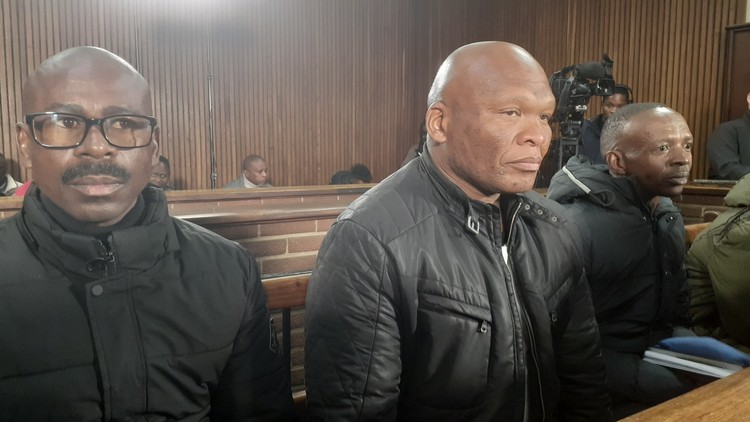
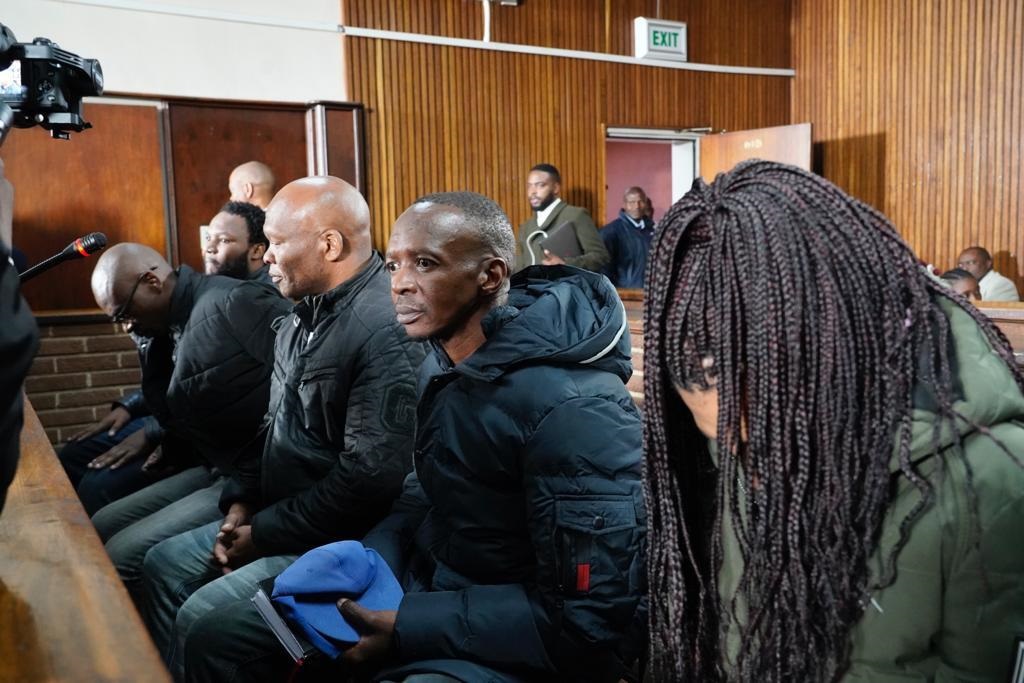
Those serving on the university councils carry the responsibility of curbing these anomalies and should not use their service for personal gains and prestige. The death of Mboneli Vesele, bodyguard to Professor Sakhele Buhlungu, and investigations by the SIU should not be alerting us to the fact that there are problems in our universities.
The modus operandi in the death of the second official, who is alleged to be a key witness at Fort Hare, leaves much to be desired and leaves many questions unanswered.
Unless university management across the country pick up on their governance roles, universities will continue to be plagued by allegations of widespread looting, fear among officials, as well as deaths on campuses.
- Selby Makgotho is a legal commentator and a PhD candidate in Public Constitutional and International Law at Unisa.
*Want to respond to the columnist? Send your letter or article to opinions@news24.com with your name and town or province. You are welcome to also send a profile picture. We encourage a diversity of voices and views in our readers' submissions and reserve the right not to publish any and all submissions received.
Disclaimer: News24 encourages freedom of speech and the expression of diverse views. The views of columnists published on News24 are therefore their own and do not necessarily represent the views of News24.




 English (US)