
 3 years ago
1
3 years ago
1
ARTICLE AD BOX
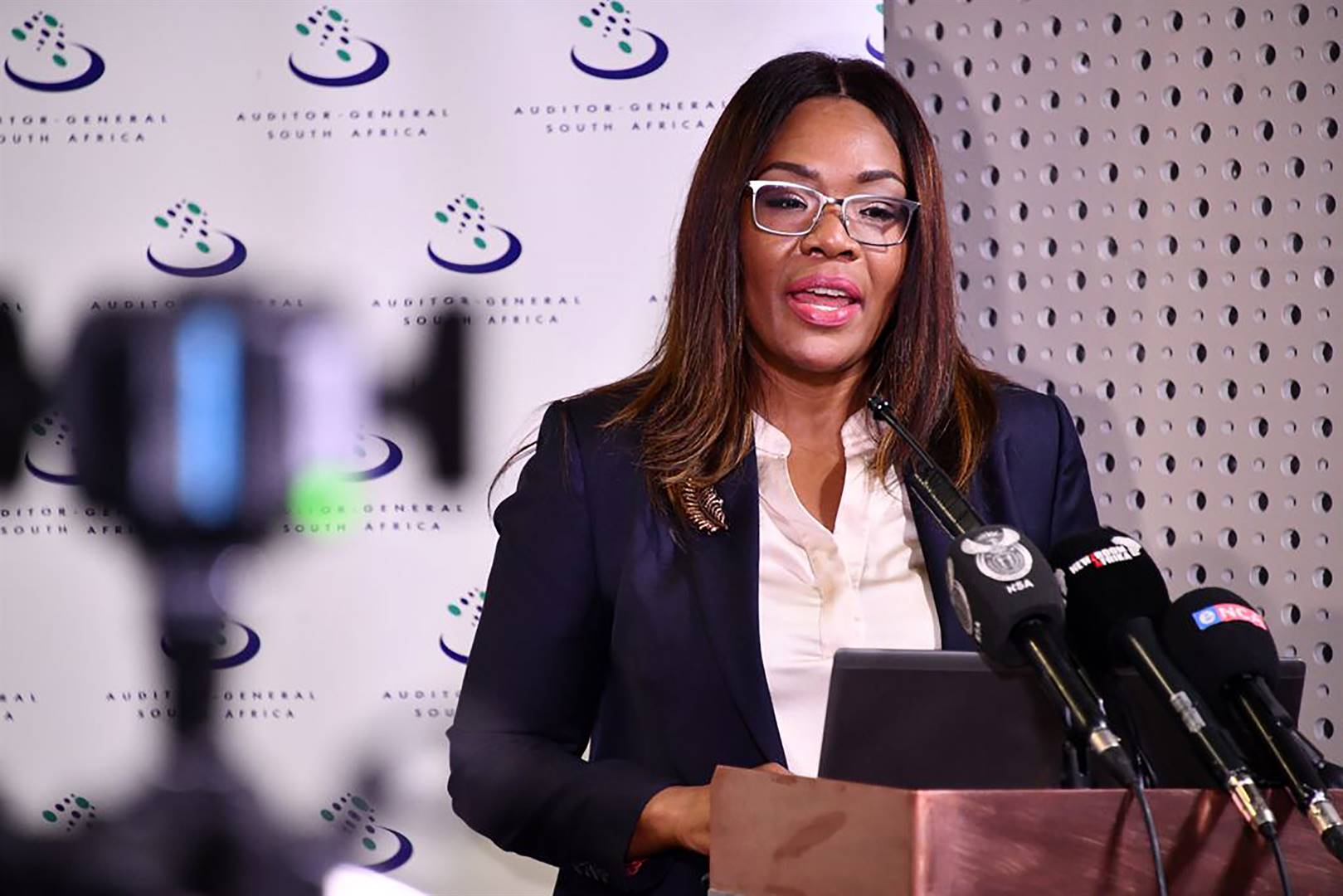
Auditor-General Tsakani Maluleke. Photo: GCIS
- Auditor-General Tsakani Maluleke has painted yet another grim picture of government departments.
- She says the number of clean audits increases every year due to significant effort.
- Maluleke was presenting the 2021/22 general report for departments and their entities.
The number of clean audits for government departments have been increasing every year, says Auditor-General Tsakani Maluleke - which she attributes to "significant effort and commitment by the leadership, officials and governance structures of the auditees".
On Wednesday, Maluleke presented the 2021/22 general report and material irregularity report for national and provincial departments and their entities.
Although there had been an increase in clean audits, Maluleke said there were still deficiencies in financial and performance management.
“However, the 128 auditees (56 departments and 72 public entities) with a clean audit status represent only 6% of the R2.58 trillion expenditure budget managed by national and provincial government,” she said in a statement.
READ | SA's broken municipalities the biggest culprits owing Auditor-General more than R700 million
The Western Cape departments of health and transport and public works received clean audits. The KwaZulu-Natal department of human settlements also received a clean audit.
The Driving Licence Card Account, Railway Safety Regulator, and the South African Civil Aviation Authority were the three entities who also received clean audits.
Maluleke said she is encouraged that 30 auditees were close to obtaining a clean audit, and only needed to address one finding on the quality of their financial statements or performance reporting.
She encouraged the auditees to work harder to address the weaknesses and continuously build a culture of accountability.
She said:
This enables everyone with an interest in the auditee – particularly those who need to oversee its performance and provide support for it to succeed – to use this as a good foundation to ensure that the citizens' needs are addressed and services are delivered.
According to Maluleke, key service delivery portfolios and the state-owned enterprises are responsible for more than 30% of the expenditure budget, but consistently have the worst audit outcomes.
“These auditees account for 58% of the outstanding audits and 31% of the modified audit opinions (qualified, adverse and disclaimed),” she said.
READ | Auditor-General cautions social development department over 'inaccurate' systems and records
Key service delivery departments are basic education, health, human settlements, public works, transport, and water and sanitation.
Maluleke said basic services cannot be efficiently delivered without adequate and well maintained infrastructure.
“The existing infrastructure cannot support the growing demands in the country and there is a backlog in providing infrastructure, hence it is crucial that the significant infrastructure investment by government yields the desired results.
"In addition, the country’s existing infrastructure must be properly maintained to ensure it remains in a workable and safe condition throughout its lifespan,” she said.






 English (US)